





The art of mixing rattan and wood furniture for a cohesive look is a sophisticated design strategy that brings unparalleled warmth, texture, and natural beauty to modern interiors. Moving beyond perfectly matched sets, this approach celebrates the unique character of each material. It creates spaces that feel layered, collected, and deeply connected to the organic world. While the combination is inherently harmonious, achieving a truly polished and intentional blend requires a thoughtful approach.
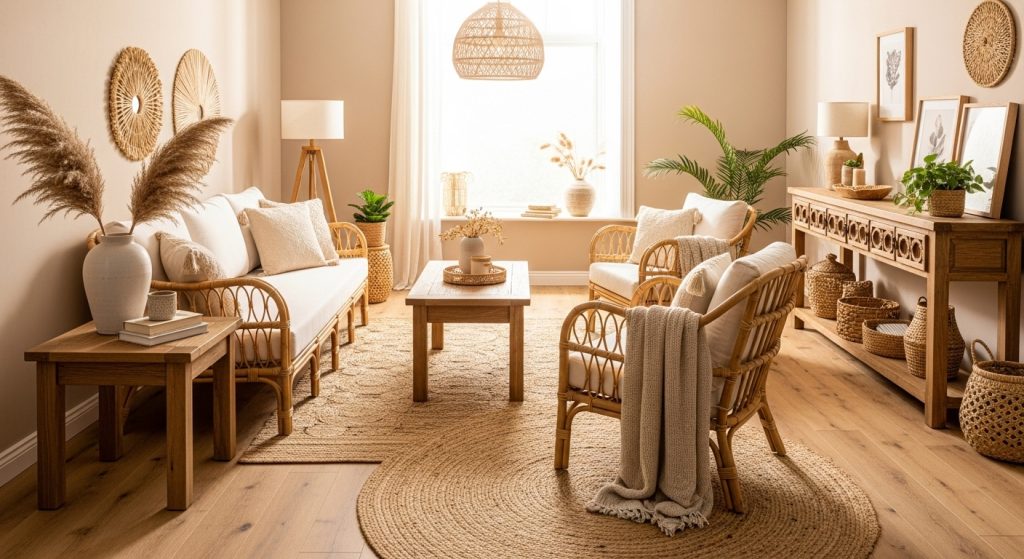
This definitive guide provides expert insights and professional techniques. It details how to select complementary pieces, balance tones and textures, and style your space for a result that is both effortlessly chic and timelessly inviting.
What is the Core Principle of Successfully Mixing Rattan and Wood?
The core principle is creating harmony through complementary tones, balanced textures, and intentional repetition. Instead of a random assortment, the goal is to curate a selection where the warmth of wood and the airy texture of rattan enhance each other. This involves considering the undertones of each material, establishing a dominant voice, and repeating both elements throughout the space to create a cohesive visual language.
This design philosophy embraces the inherent beauty of natural materials. It uses their distinct characteristics to add depth and interest to a room. Rattan provides lightness and intricate texture. Wood offers solidity and grounding warmth. When combined thoughtfully, they create a space that feels balanced, comfortable, and sophisticated. It avoids the flatness of using only one material while steering clear of a chaotic mismatch. The trend towards natural and sustainable materials in home decor makes this pairing particularly relevant.
Why Should You Mix Rattan and Wood Furniture?
Mixing rattan and wood furniture offers significant aesthetic benefits. It is a powerful technique for creating interiors that feel dynamic, layered, and personally curated. This combination is a hallmark of several popular design styles. It provides a simple way to elevate a room beyond the ordinary.
How Does it Add Essential Warmth and Texture?
This combination is a masterclass in adding warmth and texture. Wood, with its natural grain and rich tones, provides a foundational warmth. Rattan, with its intricate woven patterns, introduces a unique tactile and visual texture. Together, they create a rich sensory experience. This prevents a room, especially one with a neutral color palette, from feeling cold or one-dimensional. The layering of these organic textures is key to creating an inviting atmosphere.
How Does it Prevent a “Matchy-Matchy” Look?
Mixing rattan and wood is the perfect antidote to the often sterile or predictable look of perfectly matched furniture sets. It creates a more collected, evolved aesthetic. It suggests that the furniture has been thoughtfully acquired over time. This curated approach adds personality and depth to a room. It makes it feel more authentic and less like a showroom display. This curated feel is highly valued in contemporary interior design.
What Design Styles Does This Combination Suit?
This combination is incredibly versatile and suits several popular design styles.
- Bohemian (Boho): The quintessential Boho look often features a relaxed mix of rattan chairs, wooden tables, and layered textiles. Our guide to boho bedroom decor using rattan nightstands exemplifies this.
- Coastal: Light woods (like bleached oak) paired with natural or whitewashed rattan evoke a breezy, beach house feel.
- Scandinavian: Clean-lined oak or ash furniture combined with simple, light rattan pieces fits the minimalist, nature-inspired Scandi aesthetic.
- Organic Modern: This style heavily relies on the blend of natural wood grains and woven textures like rattan to create a calm, sophisticated, and nature-connected space.
- Tropical: Rattan is a staple, often paired with darker woods like teak or mango wood for an authentic island vibe, as seen in tropical bedroom ideas featuring rattan nightstands.
Understanding the Characteristics: Rattan vs. Wood
Before diving into mixing techniques, it is essential to understand the distinct characteristics of each material. Rattan and wood offer different visual weights, textures, and color tones. Recognizing these differences is key to pairing them effectively.
What Defines Rattan and Wicker?
Rattan is the natural plant fiber, a flexible vine-like palm. Wicker refers to the weaving technique used to craft furniture from rattan or other pliable materials. Rattan is lightweight yet strong. Its defining characteristic is its woven texture, which can range from fine and intricate cane patterns to open, airy weaves. This texture gives rattan furniture its unique visual lightness. Our guide to rattan natural nightstand styles explores these variations.
What Are the Key Characteristics of Wood Furniture?
Wood furniture is characterized by its solidity, natural grain patterns, and wide range of colors and tones. Different wood species offer distinct looks – the prominent grain of oak, the rich darkness of walnut, the light airiness of maple. Wood feels substantial and grounding. Its visual weight is generally heavier than rattan’s. The finish applied to the wood (natural, stained, painted) also significantly impacts its final appearance.
Why Do Undertones Matter for Both Materials?
Undertones – the subtle warm (yellow/red) or cool (gray/blue) hues within the main color – are crucial for harmonious pairing. Both rattan and wood have undertones. Natural rattan typically has warm, yellow, or honey undertones. Wood species vary widely: red oak is warm, ash can be cool, walnut is relatively neutral. Matching or intentionally contrasting these undertones is a key professional technique for creating a cohesive look.
How to Choose Complementary Rattan and Wood Pieces
Choosing pieces that complement each other involves more than just liking both items individually. They need to relate to each other visually through tone, style, or form. This requires a discerning eye and a clear understanding of your desired aesthetic.
How to Match Undertones for a Harmonious Blend?
Matching undertones is often the easiest path to a cohesive look. Pair warm-toned woods (like natural oak, pine, cherry) with natural, warm-toned rattan. Pair cooler woods (like ash, maple, or woods with a gray wash) with rattan that has a cooler finish (like whitewashed or gray-stained rattan). This tonal harmony creates a calm, unified feel. It is a safe and effective strategy, especially when working within a neutral color palette, as discussed in our guide on how to blend wood console tables with neutral color palettes.
How Can You Create Intentional Contrast with Tones?
Creating intentional contrast can result in a more dynamic and modern look. Pair a very dark wood piece (like an ebonized console) with very light, natural rattan chairs. Or, pair a light oak table with chairs featuring black-stained rattan. The key is to make the contrast significant and deliberate. Avoid pairing tones that are too close but not quite matching, as this can look accidental.
Should the Styles of the Pieces Match?
The styles do not necessarily need to match exactly, but they should feel compatible. You could pair a modern, clean-lined wooden table with rattan chairs that have a similarly simple silhouette. Alternatively, you could create a more eclectic look by pairing a rustic wooden table with more ornate vintage rattan pieces. The goal is a sense of belonging, even if the styles are distinct. Avoid jarring juxtapositions, like an extremely ornate traditional wood piece with a very minimalist modern rattan item, unless done with extreme care.
What About Scale and Visual Weight?
Consider the scale and visual weight of the pieces. Rattan generally feels visually lighter than solid wood. Use this to your advantage. A bulky wooden sofa frame can be lightened by pairing it with airy rattan accent chairs. A delicate rattan headboard might be balanced by more substantial wooden nightstands. Aim for an overall balance in the room, mixing heavier and lighter pieces thoughtfully.
What Are Professional Strategies for a Cohesive Look?
Achieving a truly cohesive look when mixing rattan and wood furniture involves employing several professional design strategies. These techniques move beyond simply placing the furniture. They involve creating deliberate visual links and balances throughout the space.
How Do You Establish a Dominant Material?
Establishing a dominant material provides a clear visual anchor for the room. Decide whether wood or rattan will be the primary “voice.” This dominant material should typically be used for the largest or most significant furniture pieces in the space.
- Wood Dominant: Use a large wooden dining table, bed frame, or sofa frame. Then incorporate rattan through accent chairs, nightstands, or decorative baskets.
- Rattan Dominant: Use a substantial rattan seating set or a large rattan cabinet. Then bring in wood through smaller side tables, picture frames, or shelving. This hierarchy prevents the two materials from competing equally, creating a more restful and organized feel. Aim for roughly a 70/30 or 60/40 split.
Why is Repetition of Both Materials Crucial?
Repetition is crucial for making the mix feel intentional. Each material – both the specific wood tone and the rattan – should appear in at least two, and ideally three or more, places in the room. If you have rattan chairs, echo that texture with a rattan pendant light or a woven basket. If you have an oak coffee table, repeat that oak tone in picture frames or the legs of an accent chair. This repetition creates a visual thread that ties the different elements together into a unified scheme.
How Can Color Act as a Bridge?
Color can act as a powerful bridge between the different furniture pieces. Use a shared accent color in textiles, artwork, or accessories to link the wood and rattan elements. For example, cushions on the rattan chairs could pick up a color from the rug under the wooden coffee table. Artwork above a wooden console could feature colors found in nearby rattan baskets. This shared color palette helps to unify the disparate materials.
What About Using Pieces That Combine Both Materials?
Incorporating furniture pieces that inherently combine both wood and rattan is an excellent strategy for cohesion. Look for:
- Nightstands or Dressers: With a solid wood frame and woven rattan drawer fronts or side panels.
- Chairs: With a wooden frame and a woven rattan seat or back.
- Cabinets or Sideboards: Featuring wood construction with cane webbing door inserts. These integrated pieces explicitly demonstrate the harmonious pairing of the two materials, reinforcing the design theme.
How to Style Rattan and Wood in Different Rooms?
The strategies for mixing rattan and wood furniture for a cohesive look can be applied effectively in various rooms throughout the home. Each space offers unique opportunities to blend these natural materials for warmth and style.
What Are Some Living Room Ideas?
The living room offers many possibilities for blending wood and rattan.
- Seating: Pair a solid wood-framed sofa with one or two rattan accent chairs. Or, use a substantial rattan seating set and bring in wood through the coffee table and side tables.
- Tables: A classic combination is a solid wood coffee table with rattan side tables, or vice versa.
- Storage: Use a wooden media console and incorporate large rattan baskets underneath or on shelves for storage. A tall wooden bookshelf can be styled with decorative rattan boxes.
How to Combine Them in the Bedroom?
The bedroom is a perfect space for the warm and relaxing blend of wood and rattan.
- Bed Frame & Nightstands: Pair a solid wood bed frame with rattan nightstands. Alternatively, use a statement rattan headboard and pair it with simple wooden nightstands.
- Seating: Add a rattan accent chair or bench at the foot of the wooden bed.
- Dresser: Choose a dresser that complements the dominant material (e.g., a wood dresser if the bed and nightstands are rattan). This combination is central to achieving authentic boho bedroom decor using rattan nightstands.
What About Dining Room Combinations?
The dining room provides classic opportunities for mixing.
- Table and Chairs: The most common pairing is a solid wood dining table with woven rattan dining chairs. This creates a beautiful contrast between the solid table and the lighter chairs. The reverse (rattan table, wood chairs) is less common but can also work.
- Sideboard/Buffet: Use a wooden sideboard and echo the rattan texture with a woven table runner or placemats. Or, choose a sideboard that incorporates rattan or cane elements in its doors.
How to Use Rattan and Wood in an Entryway?
The entryway sets the tone for the home, making it a great place to introduce this pairing.
- Console Table: Choose a console table made primarily of one material (e.g., wood). Then use the other material as an accent. A wooden console can be paired with a mirror framed in rattan, or large rattan baskets underneath. A rattan console could be paired with a wooden lamp or decorative bowl.
How Do You Complete the Look with Decor and Textures?
Completing the look involves adding layers of complementary decor and textures. These finishing touches enhance the natural, organic feel created by the wood and rattan furniture. They help to fully integrate the pieces into a cohesive and inviting whole.
What Role Do Natural Fiber Rugs Play?
Natural fiber rugs, such as those made from jute, sisal, or seagrass, are the perfect foundation for a room featuring wood and rattan. Their neutral colors and rich, organic textures complement both materials beautifully. They add another layer of natural warmth and help to define the seating or dining area. The durability of these fibers also makes them practical choices.
How to Use Textiles to Add Softness?
Use textiles made from natural fibers to add softness and comfort. Think linen or cotton curtains, wool or cashmere throw blankets, and cushions covered in textured fabrics like boucle, linen, or slub cotton. These soft elements provide a pleasing contrast to the harder surfaces of the wood and rattan furniture. They contribute significantly to the cozy, “hygge” feeling often associated with these materials.
Why Are Plants the Perfect Connecting Element?
Plants are the ultimate connecting element. They bridge the gap between the different natural materials and reinforce the connection to the outdoors. Incorporate a variety of houseplants – tall floor plants, smaller potted plants on surfaces, and perhaps a hanging plant. Place them in simple pots made from terracotta, concrete, or woven materials. Greenery adds life, color, and another layer of essential organic texture.
How to Choose Lighting Fixtures?
Choose lighting fixtures that continue the natural theme. Pendant lights or table lamps with shades made from woven rattan, burlap, or linen work beautifully. Fixtures that incorporate wood elements, such as a wood bead chandelier or a lamp with a wooden base, also enhance the cohesive look. Aim for warm, soft lighting to create an inviting ambiance.
What Are the Care Considerations for Mixed Materials?
Caring for a room with mixed materials involves understanding the basic needs of each. Both wood and rattan are relatively easy to care for, but they have different requirements.
Wood furniture typically requires regular dusting with a soft cloth. Spills should be wiped up promptly. Avoid placing wood furniture in direct sunlight for prolonged periods, as this can cause fading. Rattan furniture also requires regular dusting. The best way to clean the weave is with a vacuum cleaner’s brush attachment. While durable, rattan should be protected from excessive moisture. Our guide on how to care for rattan nightstands to prevent fading provides specific tips.
Conclusion
Successfully mixing rattan and wood furniture for a cohesive look is a rewarding design achievement. It creates interiors that are rich in texture, warmth, and natural character. By understanding the unique qualities of each material, choosing complementary pieces based on tone and style, and employing strategic principles like establishing dominance and ensuring repetition, you can create a beautifully balanced and sophisticated space. This harmonious blend of nature’s best materials results in a home that feels both timelessly elegant and deeply inviting.


